
Refugee Week 2026: what we did, and what we learned
Refugee Week ran from 14-20 June this year, and Bath Welcomes Refugees put together nine events across the city to mark it. This year’s international theme was Courage, and rather than treat that as one big gesture, the programme looked at the many smaller forms it takes: speaking publicly about your own experience, keeping cultural traditions alive, or just navigating the asylum system and building a life somewhere unfamiliar.
Here’s what the week looked like, and what came out of it.
The numbers
- 9 events across Bath
- 700+ people attended
- 34+ refugees and asylum seekers took part directly, as speakers, workshop participants, audience members and chefs
- 30+ volunteers gave 150+ hours
- 10 partner organisations
- 41 artists and speakers involved
- 7 new supporter/volunteer sign-ups
- £1,600+ in value leveraged through volunteer time and in-kind support
What happened
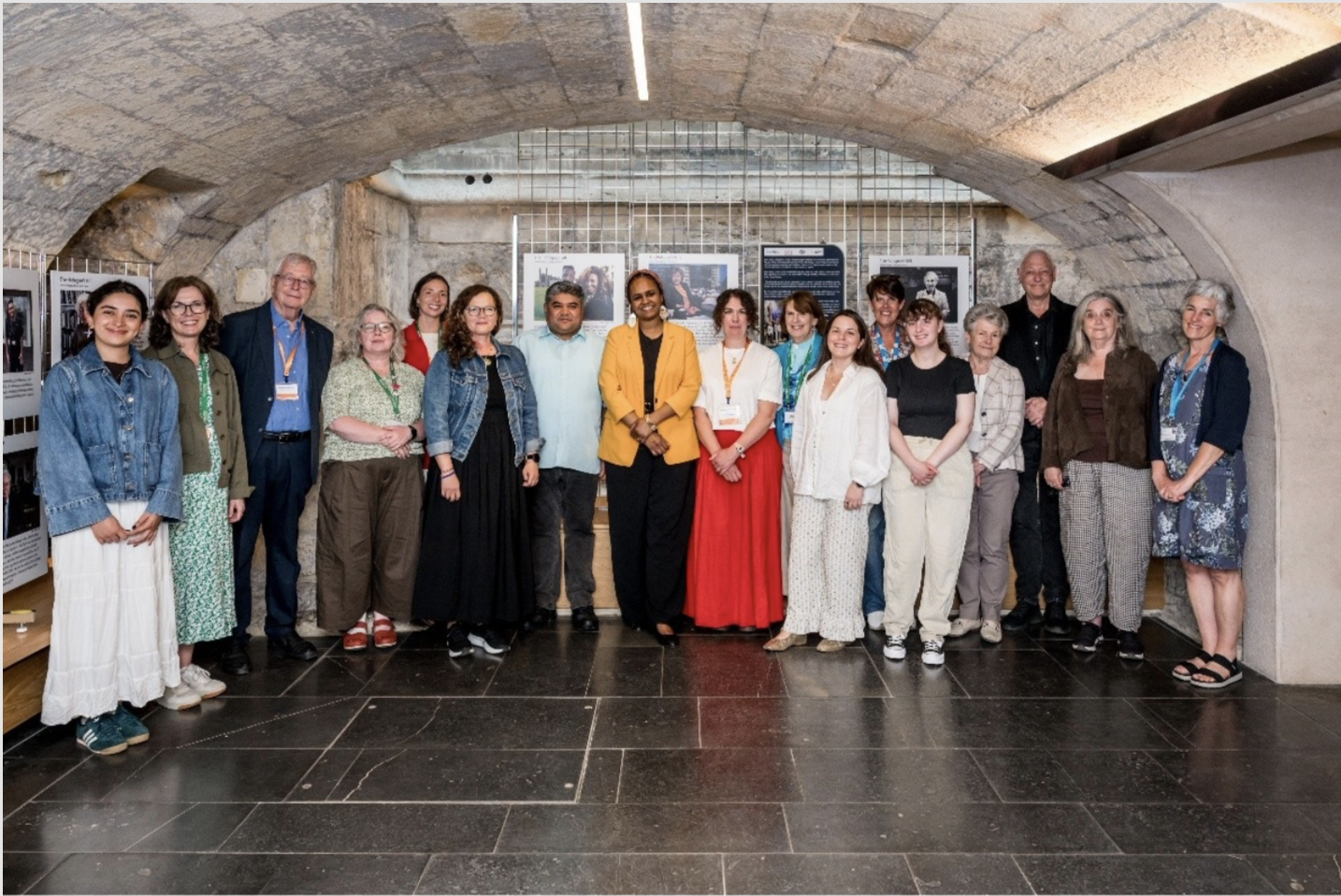
The week opened with a walking tour led by the Mayor of Bath’s Honorary Guides, looking at the city’s history of welcoming refugees. From there it moved through a photography exhibition at Bath Abbey (Bill Kight’s “The Refugee’s Gift”, which pulled in over 300 visitors on its own), a Climate Hub session called Messages of Courage, a screening of the film Dreamers, and an ongoing textiles display at the Victoria Art Gallery done in partnership with the B&NES Resettlement Team.
Mid-week brought a Beyond Bath talk, “The Many Shapes of Courage,” and a community meal at the Lighthouse Centre in Twerton, cooked by three Afghan chefs in partnership with Bath Community Kitchen. There was also a storytelling and clay workshop at Bath Artists’ Studios, run by two BWR volunteers, Sasha and Andrea.
The week closed with the Bath Refugee Festival at Fairfield House, led by Sudafest, which drew 280 people.
One piece worth calling out on its own: Mir Miri, a member of BWR’s Advisory Group, shared a poem co-created with more than 50 members of the Afghan diaspora reflecting on what courage means. There was also a short recorded interview, made by BSU student Lucy Glover, with Lord Alf Dubs about the courage it took to place him on the Kindertransport out of Nazi-occupied Czechoslovakia at age seven.
What worked
Planning started early, back in January, in partnership with Sudafest, and open-access planning meetings meant local community members helped shape the programme from the start rather than just showing up to it. That seems to have paid off in a real sense of ownership among volunteers and contributors.
Accessibility stayed a priority throughout: every event was either free or offered free access for people on lower incomes. An optional £3 donation at booking brought in some extra income without undermining that.
The week also opened the door to new partnerships worth building on, particularly with the Frank Conversations Collective, who BWR wants to work with more as they develop their Coffee Conversations programme, spaces for people with different views on migration to talk to each other directly.
What didn’t, and what’s next
A few honest notes from the report:
- Awareness was uneven. Despite promotion through social media, newsletters and partner networks, several events had unsold tickets or empty seats. There’s clearly more work to do reaching beyond BWR’s existing audience, and stronger local media partnerships are on the list for next year.
- Some venues hit capacity while others under-filled, which is its own balancing act between affordability, accessibility and room size.
- A grant application to help fund the programme didn’t come through this year, which put pressure on the budget. Securing more sustainable funding is a priority going forward, partly so BWR can pay guest speakers at least the Living Wage for their time.
Looking ahead, BWR wants to host more community meals year-round, expand the photography exhibition with more personal profiles of people with lived experience of seeking sanctuary, and keep building out the Beyond Bath talks based on direct audience feedback.
It was a genuinely full week, built by a lot of volunteers giving a lot of hours, and it’s clear from the report that the plan is to keep building on it rather than treat it as a one-off.